

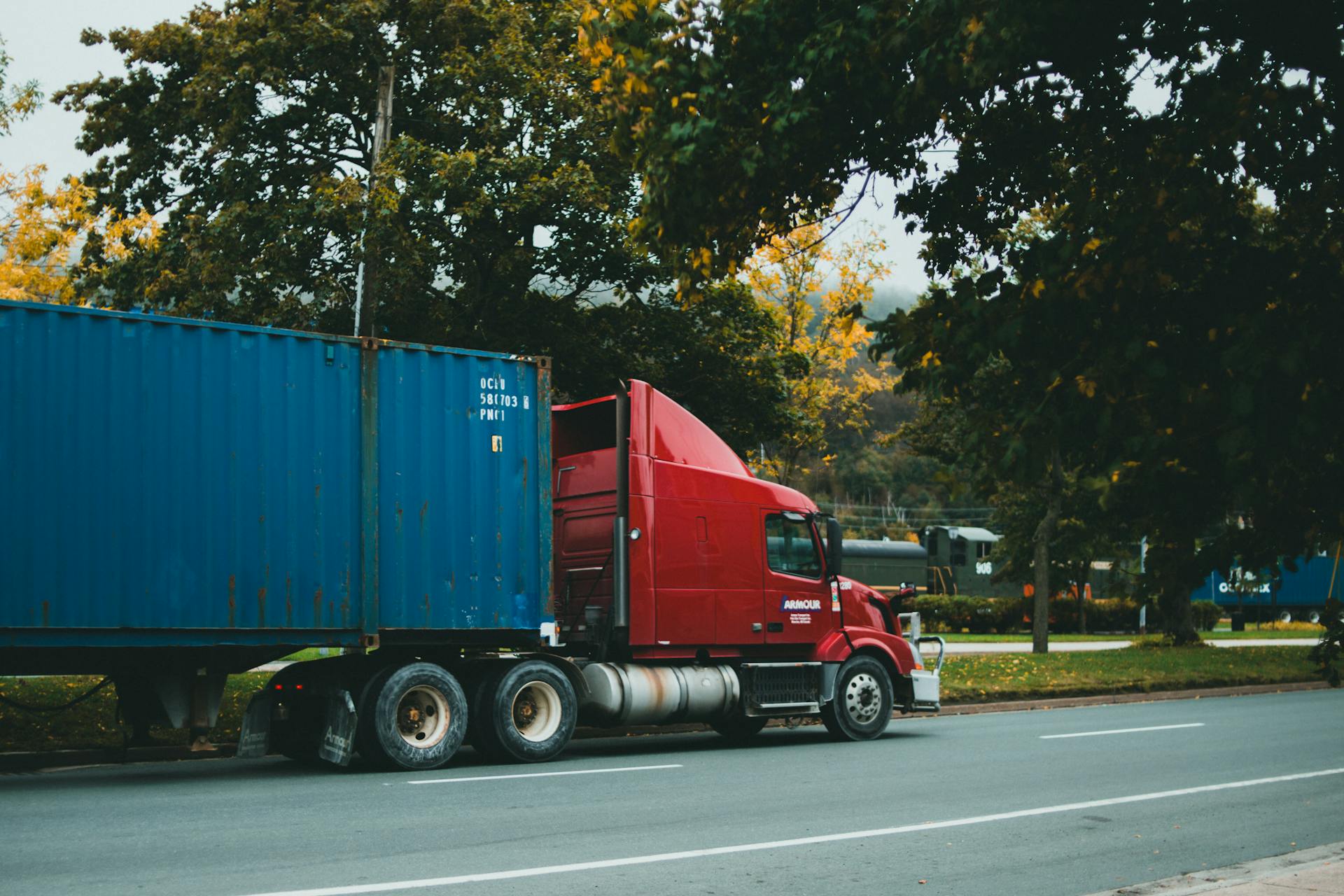
Cross-border trucking between Singapore and Malaysia is one of the most critical logistics channels in the region. For many businesses, especially in manufacturing, retail, and e-commerce, this route supports daily operations and supply chain continuity.
However, while cross-border transport may seem straightforward geographically, it involves multiple layers of coordination, documentation, and regulatory compliance. Without proper planning, delays and unexpected costs can quickly arise.
Why Cross-Border Trucking Matters
Singapore’s reliance on imports and exports makes cross-border trucking essential. Goods moving between Singapore and Malaysia often include raw materials, finished products, and time-sensitive shipments.
Compared to air or sea freight, land transport offers:
- Faster regional delivery
- Lower cost for short distances
- Greater flexibility in scheduling
This makes it a preferred option for businesses with frequent or recurring shipments.
Key Challenges in Cross-Border Trucking
1. Customs Clearance
Every shipment crossing borders must go through customs checks. Missing or incorrect documentation can lead to delays or even shipment rejection.
2. Border Congestion
Traffic congestion at checkpoints such as Tuas and Woodlands is a common issue, especially during peak hours or festive seasons.
3. Regulatory Differences
Different countries have different rules regarding cargo types, permits, and documentation requirements.
4. Coordination Issues
Cross-border transport requires alignment between multiple parties, including drivers, customs authorities, and logistics coordinators.
How to Optimise Cross-Border Logistics
Plan Ahead
Scheduling deliveries outside peak hours can significantly reduce delays at checkpoints.
Ensure Proper Documentation
Prepare all necessary paperwork in advance, including invoices, permits, and declarations.
Choose the Right Transport Type
- Full Truck Load (FTL) for larger shipments
- Less-than-Truck Load (LTL) for smaller, cost-sensitive shipments
Work With Experienced Partners
An experienced logistics provider understands border processes and can anticipate potential issues before they arise.
The Role of a Logistics Partner
A reliable logistics partner does more than just transport goods—they ensure smooth coordination across borders.
This includes:
- Managing documentation
- Coordinating schedules
- Handling unexpected delays
- Providing updates during transit
Key Takeaway
Cross-border trucking is a powerful logistics solution for Singapore businesses, but it requires proper planning and coordination.
By understanding the challenges and working with the right partner, businesses can ensure smoother operations and more reliable delivery timelines.
Need reliable cross-border delivery?
Cheng Logistics ensures smooth and efficient transport across Singapore and Malaysia.