

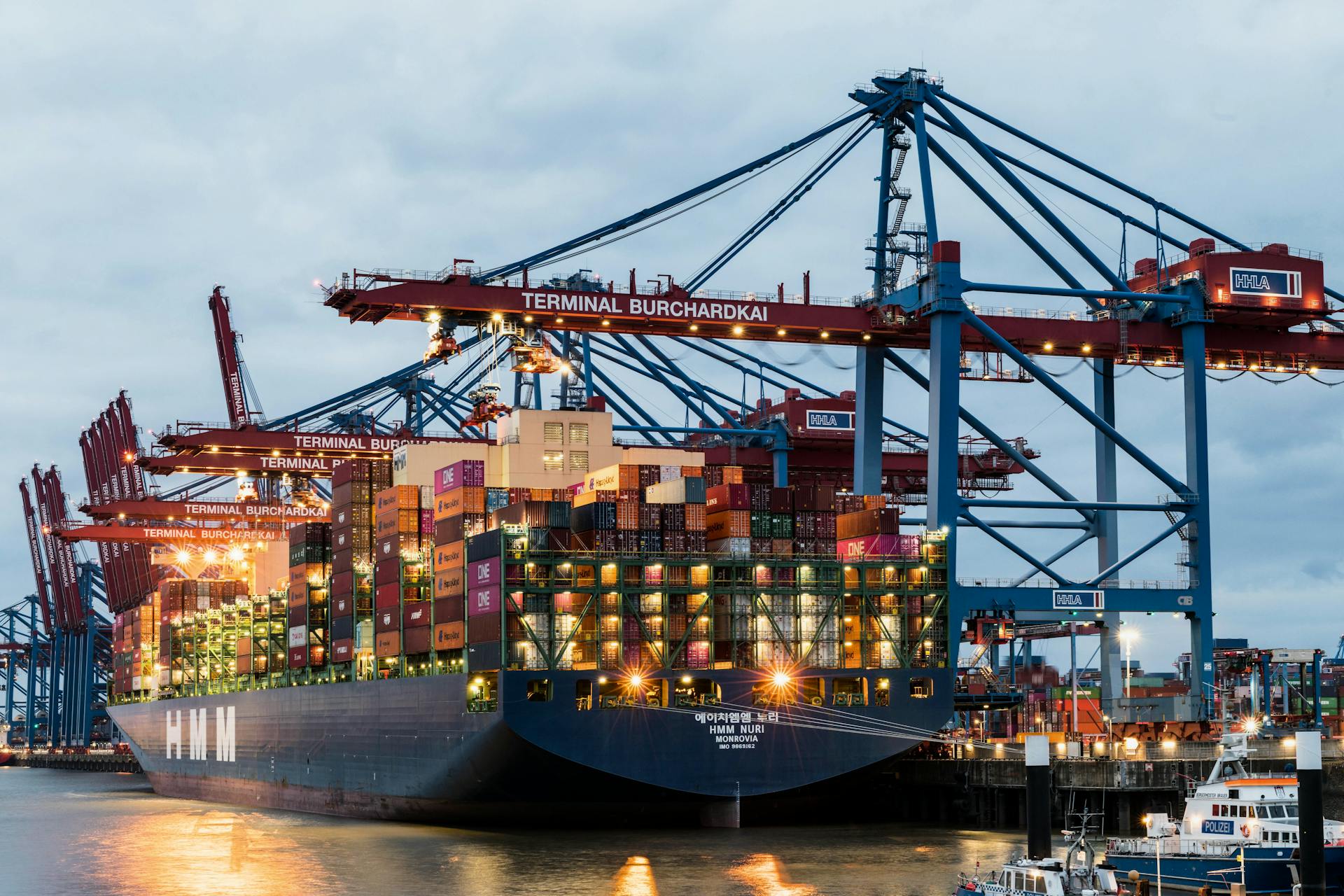
What Does a Freight Forwarder Do?
A freight forwarder does much more than just “arrange shipping.” Their role involves managing multiple aspects of the logistics process, including:
- Planning the most efficient shipping route
- Booking cargo space with carriers
- Preparing and managing shipping documentation
- Coordinating customs clearance
- Arranging pickup and final delivery
In short, a freight forwarder simplifies a complex process into a manageable and structured workflow.
Step-by-Step: How Freight Forwarding Works
1. Shipment Planning
The process begins with understanding your shipment details—cargo type, weight, dimensions, destination, and timeline. Based on this, the freight forwarder recommends the best transport mode (air, sea, or land) and route.
2. Booking & Coordination
Once confirmed, the forwarder books cargo space with airlines, shipping lines, or trucking providers. They also coordinate pickup from the origin point.
3. Documentation Handling
Shipping requires several documents such as:
- Commercial invoice
- Packing list
- Bill of lading or airway bill
Errors in documentation can cause delays, so this step is critical.
4. Customs Clearance
For international shipments, goods must pass through customs at both origin and destination. A freight forwarder ensures compliance with regulations to avoid delays or penalties.
5. Transportation & Delivery
Finally, the cargo is transported and delivered to its destination, either to a port, warehouse, or directly to the consignee.
Why Businesses Use Freight Forwarders
Many businesses choose to work with freight forwarders instead of managing logistics themselves for several reasons:
1. Time Savings
Handling logistics internally requires significant time and expertise. A freight forwarder manages everything for you.
2. Reduced Risk
Mistakes in shipping can be costly. Forwarders help minimise errors in routing, documentation, and coordination.
3. Access to Networks
Freight forwarders have established relationships with carriers, giving you access to better routes and options.
4. Cost Efficiency
Through consolidation and planning, forwarders can often help optimise shipping costs.
Common Misconceptions
Some businesses think freight forwarders simply “move goods.” In reality, they are logistics coordinators, problem-solvers, and planners.
Another misconception is that freight forwarding is only for large companies. In fact, SMEs benefit greatly from outsourcing logistics because it allows them to focus on core business operations.
Key Takeaway
Freight forwarding is not just about transportation—it’s about coordination, efficiency, and risk management. Choosing the right freight forwarder can significantly improve your logistics performance and overall business operations.
If you’re planning your first shipment or looking to improve your logistics process:
Cheng Logistics can guide you through every step—from planning to delivery.