

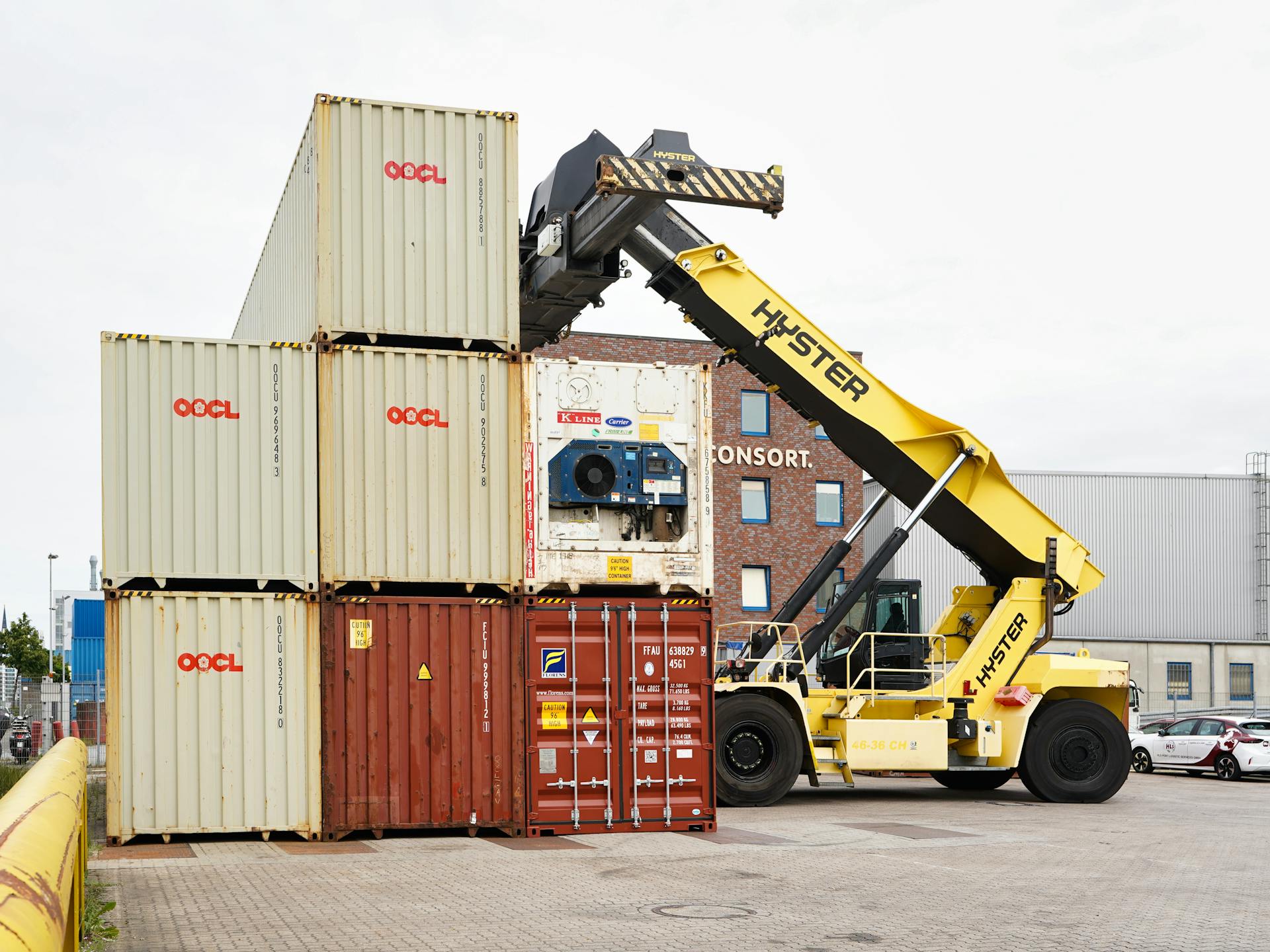
When most businesses think about logistics, they see it as a necessary operational function—something that happens in the background to move goods from one place to another. However, logistics plays a far more critical role than many realise.
In reality, logistics is not just about transportation. It directly affects your cost structure, customer experience, operational efficiency, and overall competitiveness. Businesses that treat logistics strategically often outperform those that view it as just a cost centre.
1. Logistics Directly Impacts Your Cost Structure
One of the most immediate effects of logistics is on your operational costs.
Poor logistics planning can lead to:
- Higher shipping expenses due to last-minute bookings
- Inefficient routing and underutilised cargo space
- Additional costs from delays, storage, or penalties
On the other hand, a well-optimised logistics strategy can:
- Reduce transportation costs through consolidation (LCL/LTL)
- Improve route efficiency
- Minimise unexpected charges
Even small improvements in logistics planning can result in significant cost savings over time.
2. Delivery Performance Affects Customer Satisfaction
In today’s business environment, customers expect reliability and speed. Late deliveries, damaged goods, or inconsistent timelines can quickly lead to dissatisfaction and loss of trust.
Logistics plays a key role in:
- Meeting delivery deadlines
- Maintaining product condition
- Providing accurate delivery expectations
For e-commerce and retail businesses, logistics performance is often directly tied to customer reviews and repeat purchases.
A reliable logistics setup ensures that your business consistently meets customer expectations—building trust and long-term relationships.
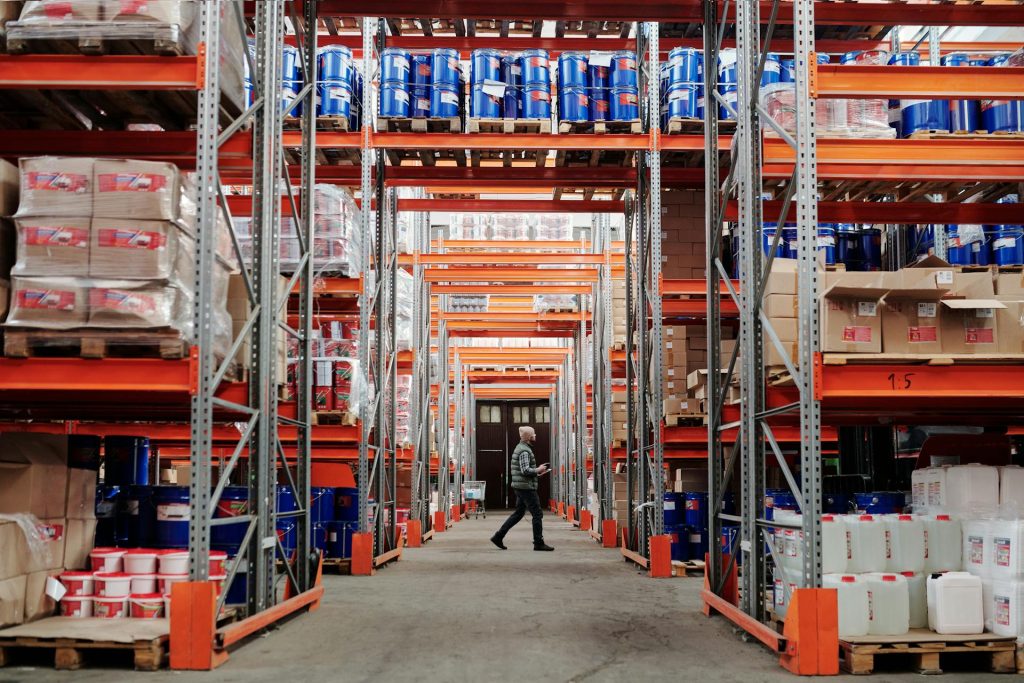
3. Inventory Management Depends on Logistics Efficiency
Inventory and logistics are closely linked. Delays or inconsistencies in shipping can disrupt inventory levels, leading to:
- Stock shortages
- Overstocking
- Increased warehousing costs
For example, delayed shipments may cause production downtime or missed sales opportunities. Conversely, poor planning may result in excess inventory that ties up cash flow.
Efficient logistics enables better inventory control by ensuring that goods arrive on time and in the right quantities.
4. Logistics Affects Operational Efficiency
A smooth logistics process ensures that your entire operation runs more efficiently.
When logistics is poorly managed, it creates ripple effects such as:
- Production delays
- Missed deadlines
- Increased workload for teams
On the other hand, well-coordinated logistics:
- Improves workflow
- Reduces disruptions
- Allows teams to focus on core business activities
This is especially important for businesses that rely on just-in-time delivery or tight production schedules.
5. Logistics Influences Business Flexibility
In an increasingly unpredictable global environment, businesses need to be adaptable.
Logistics plays a key role in enabling flexibility by:
- Offering alternative transport routes
- Providing multimodal solutions (air, sea, land)
- Adjusting quickly to disruptions
For example, during global events such as geopolitical conflicts or supply chain disruptions, businesses with flexible logistics strategies are better able to respond and maintain operations.
6. Poor Logistics Can Create Hidden Risks
Many businesses underestimate the risks associated with logistics.
These risks include:
- Delays due to customs or documentation errors
- Damage or loss of cargo
- Unexpected cost increases
- Supply chain disruptions
Without proper planning and coordination, these risks can escalate quickly and impact your bottom line.
7. The Role of a Reliable Logistics Partner
Managing logistics internally can be complex and resource-intensive. This is why many businesses choose to work with experienced logistics providers.
A reliable partner helps to:
- Plan efficient shipping strategies
- Handle documentation and compliance
- Coordinate shipments across multiple transport modes
- Respond quickly to unexpected issues
More importantly, they provide visibility and peace of mind, allowing businesses to focus on growth instead of operational challenges.
Key Takeaway
Logistics is not just a support function—it is a strategic driver of business performance.
Businesses that invest in better logistics planning and partnerships can:
- Reduce costs
- Improve customer satisfaction
- Enhance operational efficiency
- Build a more resilient supply chain
In contrast, those that overlook logistics often face higher costs, delays, and operational challenges.
Looking to improve your logistics strategy and business performance?
Cheng Logistics can help you optimise your operations with reliable and efficient solutions.