

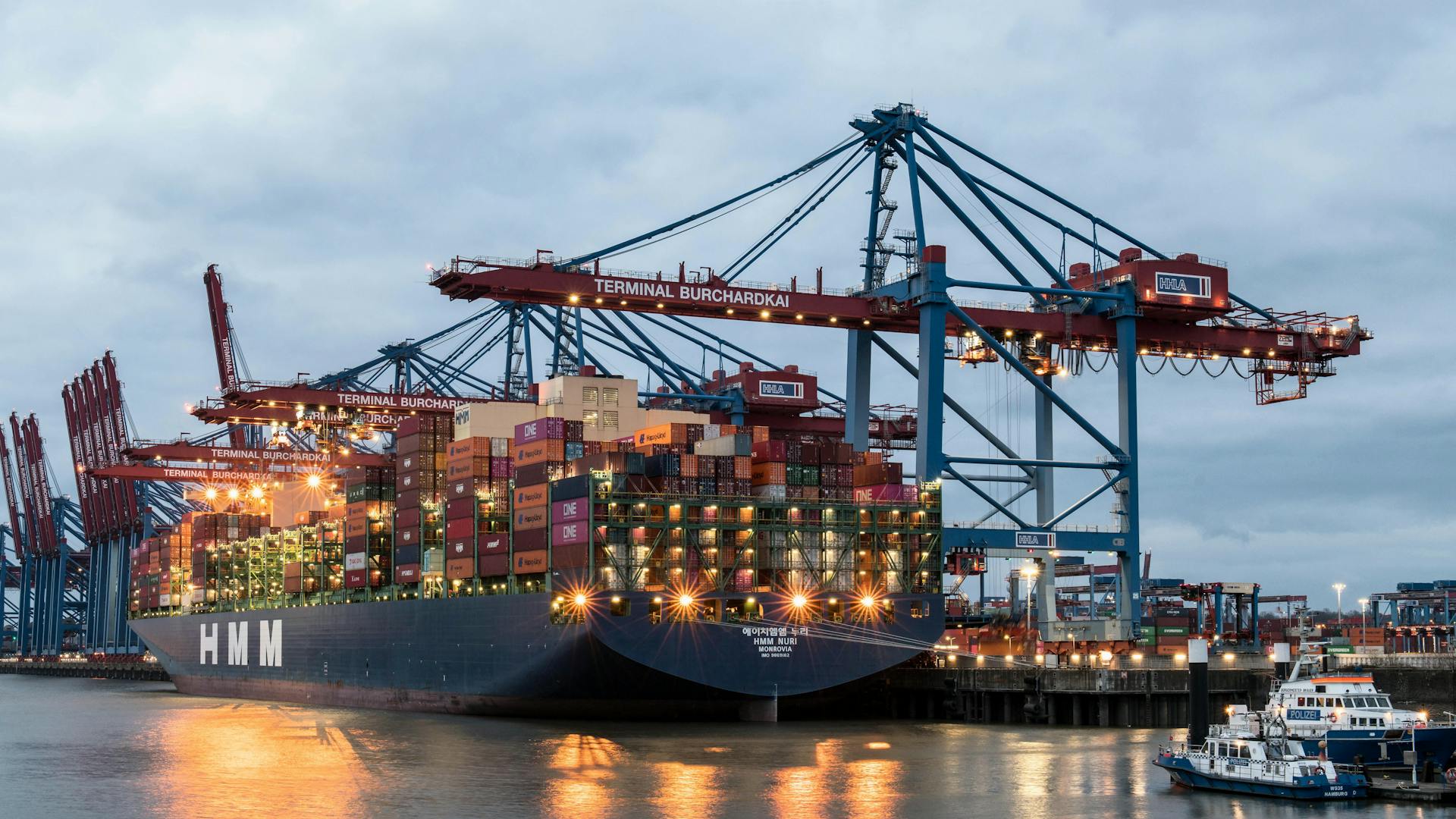
In today’s increasingly complex logistics environment, businesses are constantly looking for ways to optimise their supply chains. One strategy that has gained significant importance is multimodal transport.
Multimodal transport refers to the use of two or more different modes of transportation—such as air, sea, and land—to move goods from origin to destination under a single coordinated plan.
This approach allows businesses to balance cost, speed, and flexibility more effectively than relying on a single transport method.
What Is Multimodal Transport?
Multimodal transport involves combining multiple transportation methods into a single logistics solution.
For example:
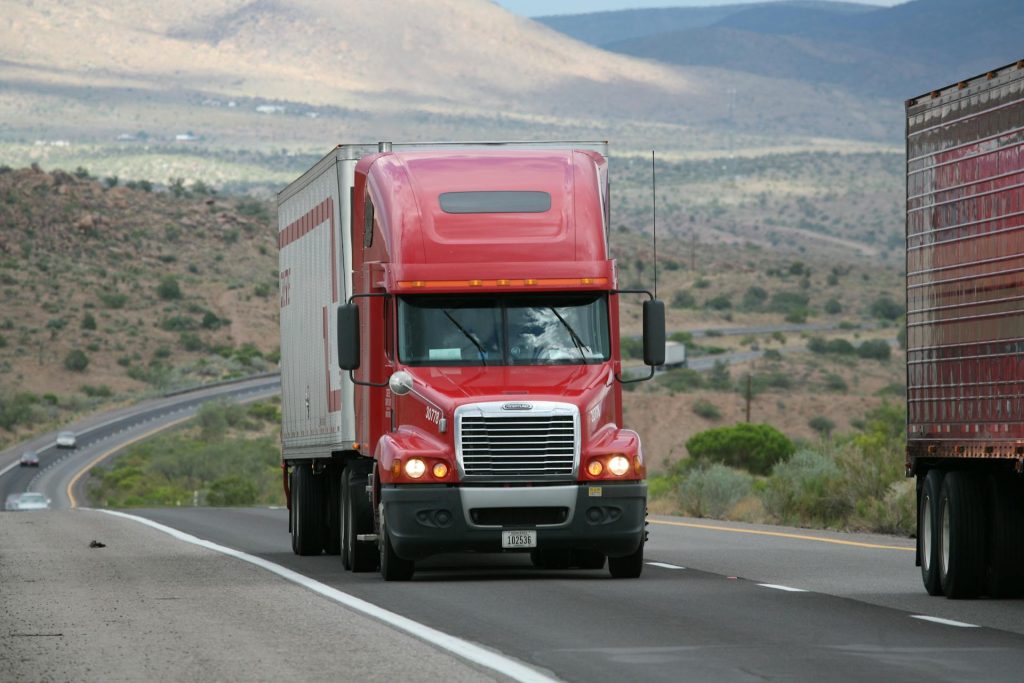
- Goods may be shipped via sea freight from one country
- Then transported by truck for final delivery
- Or moved by air for urgent segments and land for last-mile delivery
The key advantage is that the entire process is coordinated as one integrated shipment, rather than separate, disconnected stages.
Key Benefits of Multimodal Transport
1. Greater Flexibility
Using multiple transport modes allows businesses to adapt their logistics strategy based on changing needs.
For instance:
- Use sea freight for cost efficiency
- Switch to air freight for urgent deliveries
- Combine land transport for regional distribution
2. Cost Optimisation
Multimodal transport allows businesses to reduce costs by selecting the most economical combination of transport modes.
Instead of relying entirely on expensive air freight, businesses can use sea freight for long distances and land transport for final delivery.
3. Improved Transit Efficiency
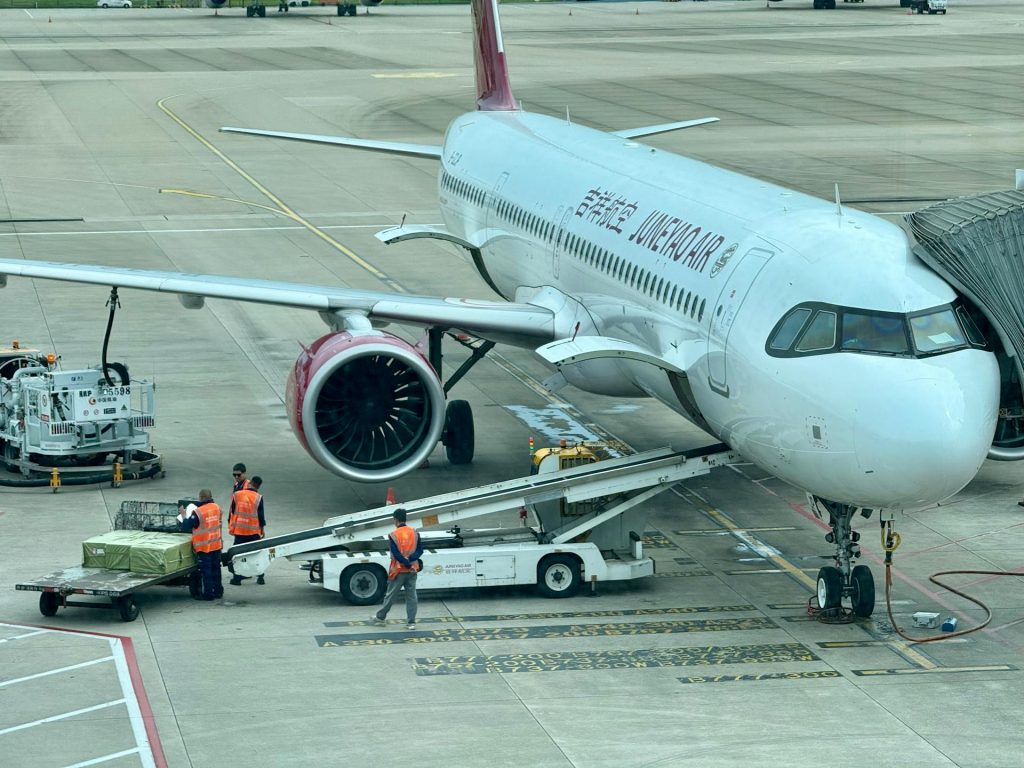
While sea freight is cost-effective, it is slower. Air freight is fast but expensive.
Multimodal transport balances these trade-offs by:
- Reducing overall transit time
- Maintaining reasonable costs
4. Expanded Reach
Not all destinations are accessible by a single transport mode.
Multimodal transport enables businesses to:
- Reach inland destinations
- Connect remote areas
- Improve last-mile delivery
When Should You Use Multimodal Transport?
Multimodal transport is especially useful in the following situations:
When Cost and Speed Both Matter
If your shipment is not extremely urgent but still requires reasonable delivery time, a combination of transport modes can achieve the right balance.
When Shipping Across Multiple Regions
International shipments often require transitions between ports, airports, and inland transport routes.
When Direct Routes Are Not Available
Some destinations require multiple transport modes due to geographical limitations.
When Managing Complex Supply Chains
Businesses with multiple suppliers, distribution centres, or markets benefit from flexible logistics strategies.
Challenges to Consider
While multimodal transport offers many advantages, it also requires careful coordination.
Challenges include:
- Managing multiple carriers
- Ensuring documentation consistency
- Coordinating schedules across different transport modes
This is why working with an experienced logistics provider is crucial.
The Role of a Logistics Partner
A logistics partner plays a key role in managing multimodal transport by:
- Designing efficient transport combinations
- Coordinating transitions between modes
- Ensuring smooth documentation and compliance
- Providing visibility throughout the shipment
Key Takeaway
Multimodal transport is a powerful logistics strategy that offers flexibility, cost efficiency, and improved reach.
Businesses that adopt this approach can optimise their supply chains and respond more effectively to changing conditions.
Looking for a smarter way to move your cargo?
Cheng Logistics can design a multimodal transport solution tailored to your needs.