

Delays in logistics are one of the most common challenges businesses face when managing shipments. Whether it’s a missed delivery deadline, extended transit time, or unexpected hold-ups at customs, delays can disrupt operations, increase costs, and impact customer satisfaction.
While some delays are unavoidable due to external factors, many can be minimised—or even prevented—with proper planning, coordination, and the right logistics strategy.
Common Causes of Logistics Delays
Understanding why delays happen is the first step to avoiding them.
1. Port Congestion
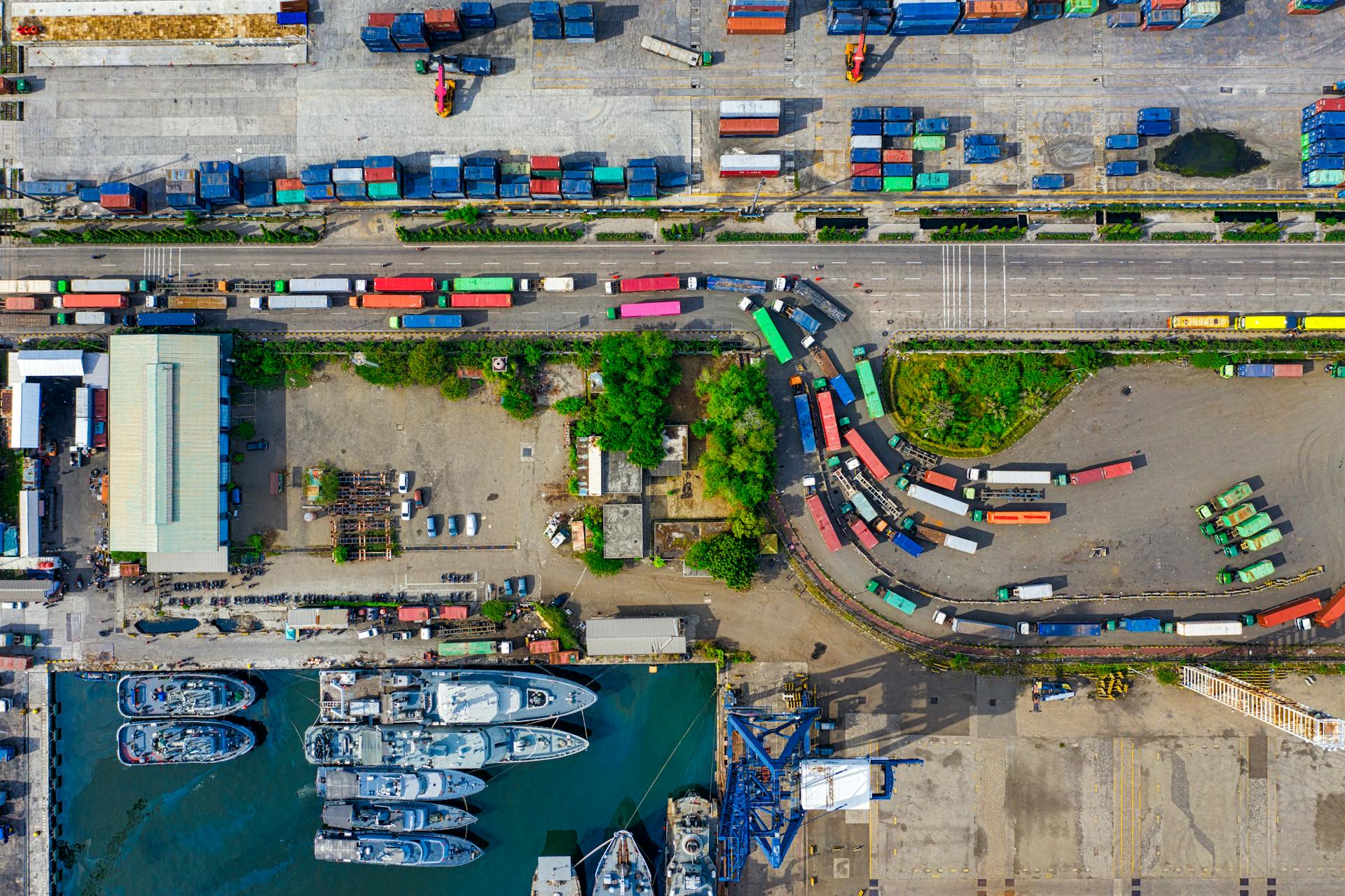
Ports handle massive volumes of cargo daily, and congestion can occur during peak periods. When ports become overcrowded, vessels may be delayed in docking, loading, or unloading.
This can add days—or even weeks—to shipping timelines, especially for sea freight.
2. Customs Clearance Issues
Customs clearance is one of the most critical stages in international shipping. Delays can occur due to:
- Incomplete or incorrect documentation
- Additional inspections
- Regulatory compliance issues
Even a small mistake in paperwork can result in significant delays.
3. Weather Conditions
Extreme weather such as storms, heavy rain, or fog can disrupt shipping schedules across all transport modes.
- Sea freight may be delayed due to rough conditions
- Air freight may experience flight cancellations or rerouting
- Land transport can be affected by road conditions
4. Poor Planning & Last-Minute Shipments
Urgent or last-minute shipments often face limited options and higher risk of delays.
Without sufficient planning:
- Suitable transport slots may not be available
- Costs increase
- Coordination becomes more complex
5. Operational & Coordination Issues
Logistics involves multiple stakeholders—carriers, warehouses, customs authorities, and drivers. Miscommunication or poor coordination between parties can lead to delays.
Examples include:
- Missed pickup schedules
- Incorrect cargo handling
- Lack of alignment between transport stages
How to Prevent Logistics Delays
While not all delays can be avoided, businesses can significantly reduce risks by adopting proactive strategies.
1. Plan Shipments in Advance
Early planning allows for better scheduling, more transport options, and buffer time to handle unexpected disruptions.
2. Ensure Accurate Documentation
Double-check all documents before shipment to ensure accuracy and completeness.
This includes:
- Commercial invoices
- Packing lists
- Permits and declarations
3. Build Buffer Time Into Schedules
Avoid planning shipments with extremely tight deadlines. Allow extra time to accommodate potential delays.
4. Monitor Shipments Closely
Staying informed about shipment status allows businesses to respond quickly to issues.
5. Work With Experienced Logistics Partners
An experienced logistics provider understands potential risks and can anticipate issues before they escalate.
They can:
- Recommend better routes
- Handle documentation
- Coordinate efficiently across all stages
The Role of Flexibility in Logistics
In today’s global environment, disruptions are becoming more frequent due to factors such as geopolitical tensions, supply chain shifts, and changing regulations.
Businesses that remain flexible—by adjusting routes, transport modes, or schedules—are better able to handle delays.
Key Takeaway
Delays in logistics are not always avoidable, but they are often manageable.
By understanding the causes and taking proactive steps—such as planning ahead, ensuring documentation accuracy, and working with reliable partners—businesses can reduce the impact of delays and maintain smoother operations.
Looking to minimise delays and improve delivery reliability?
Cheng Logistics can help you plan and execute shipments with better coordination and control.